Ledger Live App Secure Crypto Wallet Management
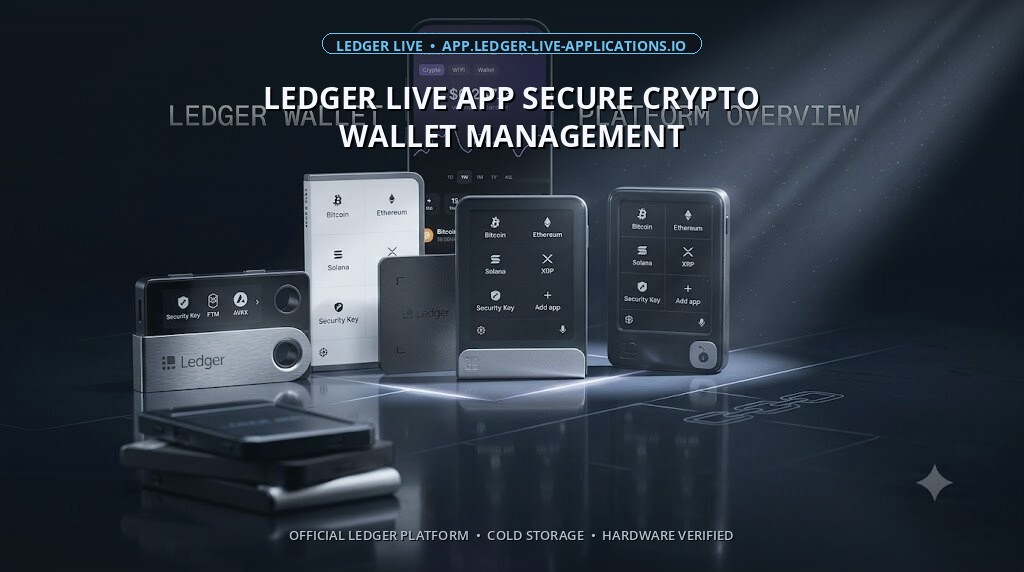
To immediately start managing multiple cryptocurrencies safely, download the official desktop or mobile companion directly from Ledger's website. The software supports over 1,800 assets and interfaces seamlessly with hardware wallets.
Version 2.45 introduced staking for Polkadot and Cosmos, with Solana support expected mid-2023. Transactions require manual confirmation on physical devices, preventing unauthorized transfers even if your computer is compromised.
For iOS users, the mobile variant offers biometric authentication and real-time portfolio tracking. Android installations must bypass Play Store restrictions via APK – only use files cryptographically signed by Ledger SAS.
How does the dashboard display asset balances?
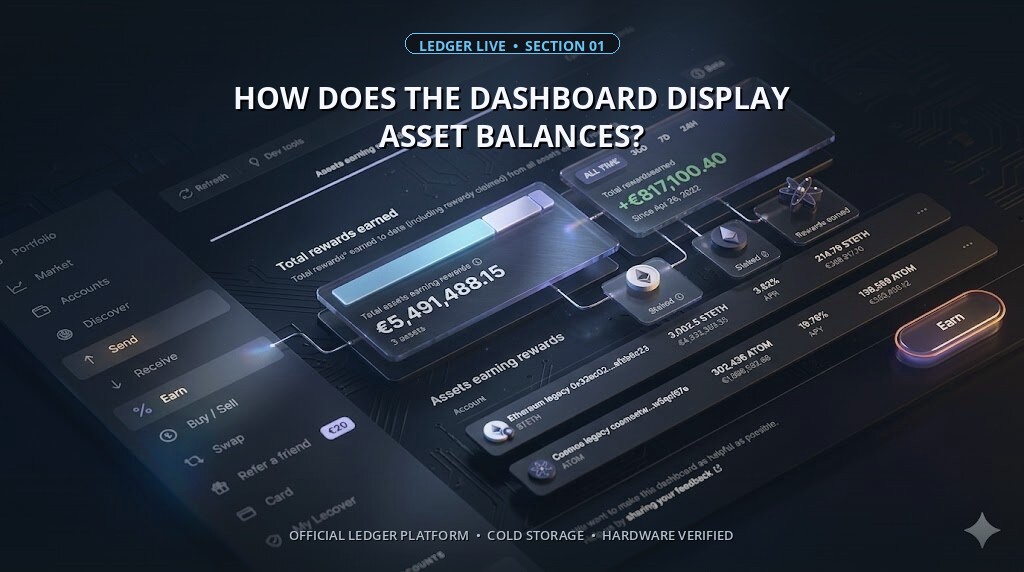
The interface aggregates holdings across all synchronized accounts, converting values to your preferred fiat currency using CoinGecko's API. Each asset tile shows 24-hour percentage changes and a sparkline graph of seven-day performance.
Tapping any cryptocurrency reveals detailed transaction history with network fee breakdowns. The Accounts tab separates funds by derivation path, useful for tracking tax lots or isolating experimental altcoins.
What security protocols protect against phishing?
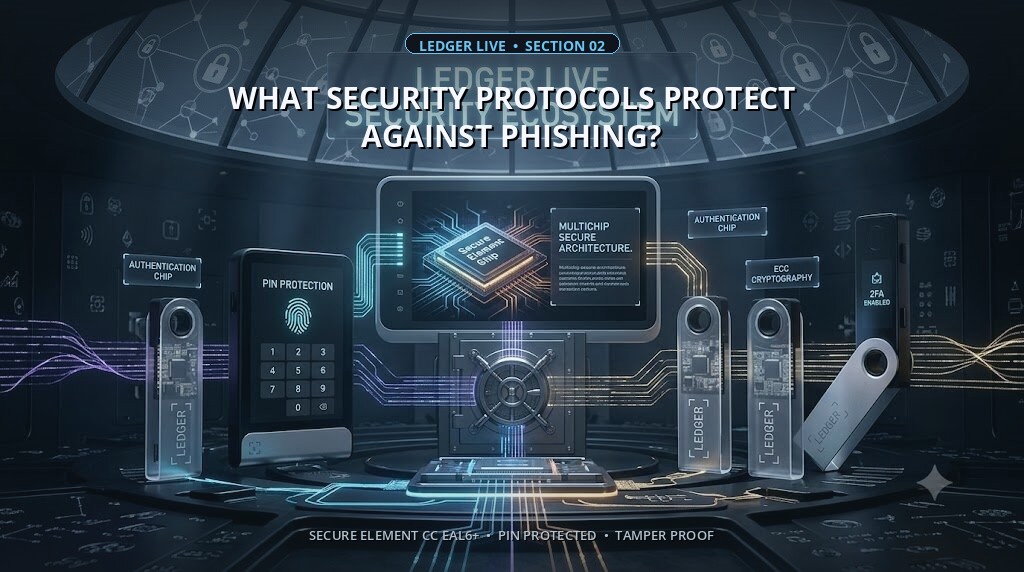
Two-factor authentication requires both a password and confirmation through a registered hardware wallet. The software never displays full account addresses – you must verify them on your device's screen before sending.
Automatic domain locking prevents interaction with known scam sites. When updating, the package validates signatures against Ledger's root certificate rather than checking version numbers alone.
Can I exchange cryptocurrencies within the interface?

Third-party providers like Changelly and ParaSwap enable instant conversions with 1-3% average spreads. These services auto-populate recipient addresses from your wallet, eliminating clipboard hijacking risks.
Limit orders became available in 2022 through integration with the 0x protocol API. All swaps undergo three-screen verification on hardware wallets showing amount, asset, and destination.
Step-by-step: Verifying the software's authenticity
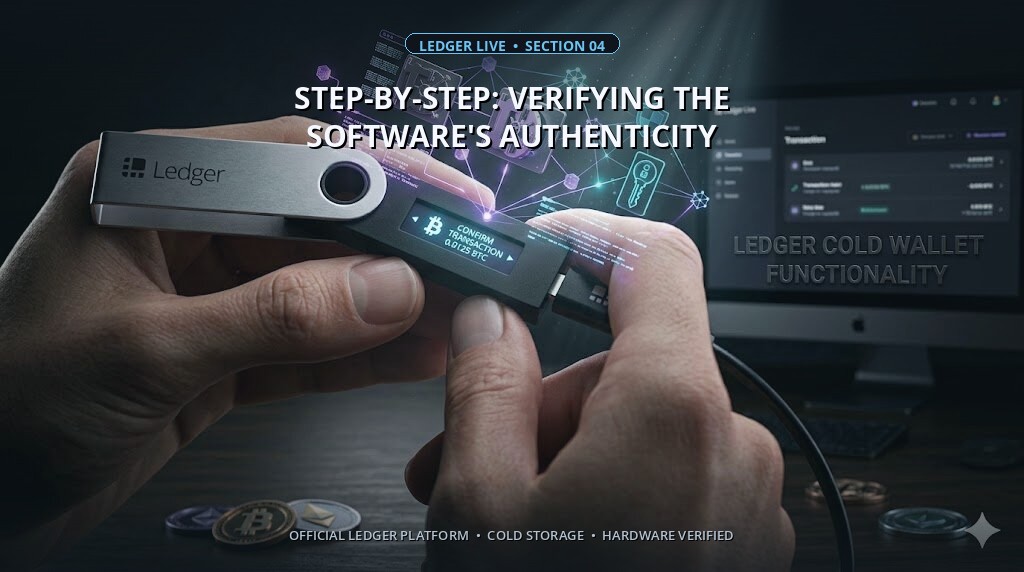
Step 1: Compare download hashes
Locate the SHA-256 checksum for your version on Ledger's support page under Security Bulletins. New builds publish hashes 48 hours before release.
Step 2: Inspect code signatures
Right-click the installer on Windows or use codesign on macOS to confirm the developer certificate chains to Ledger SAS. No valid signature means compromised code.
Ledger Live App
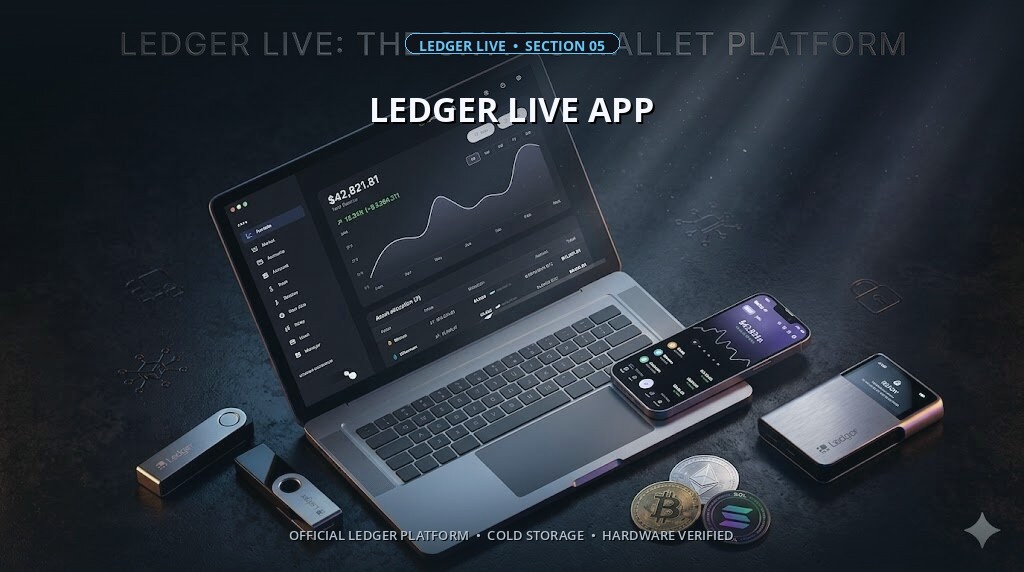
Install the desktop version for full device integration and direct transaction signing–Windows and Mac builds support USB and Bluetooth sync with hardware wallets.
Mobile users benefit from real-time portfolio tracking via iOS or Android; configure custom alerts for price thresholds above 1% change to avoid missed market shifts. The interface consolidates Ethereum, Bitcoin, and 5000+ tokens without requiring separate wallet addresses–balances auto-update every 30 seconds or upon manual refresh.
How to Install Ledger Live on Windows and macOS
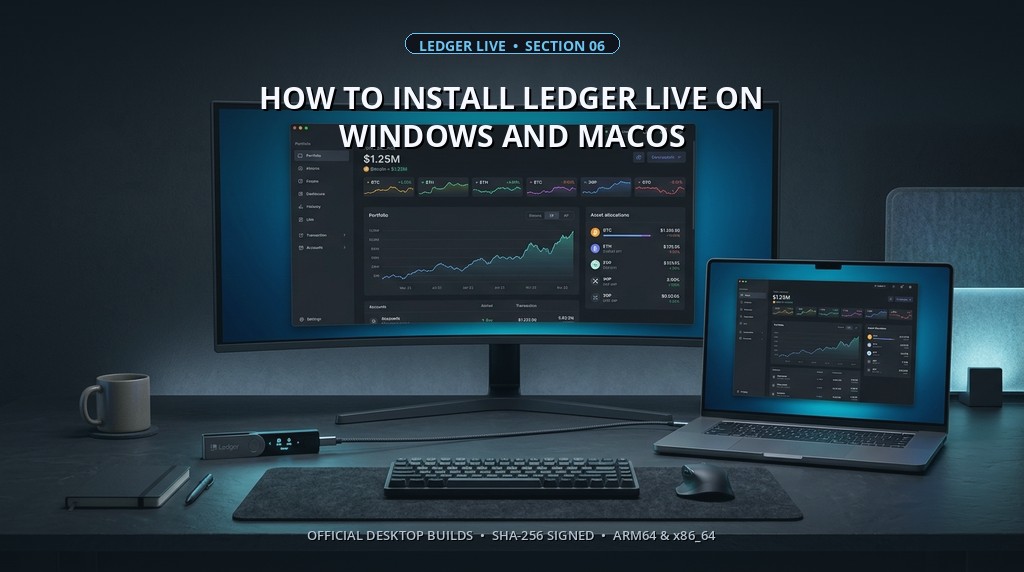
Download the setup file directly from the official website to avoid compromised versions. Always verify the file's checksum before opening it.
For Windows, launch the installer and grant admin permissions when prompted. The default installation path is C:\Program Files\, but you can customize it if needed.
On macOS, drag the application bundle into your Applications folder after unzipping the downloaded DMG file. Gatekeeper may block the launch – bypass this by right-clicking and selecting "Open" from the context menu.
System requirements differ between platforms: Windows needs at least version 10 (64-bit) and 4GB RAM. macOS requires High Sierra (10.13) or newer with M1/M2 chips supported natively.
After installation completes, launch the desktop client. First-time setup includes choosing between creating a new vault or syncing an existing one using your hardware wallet's recovery phrase.
Encountering errors during installation? Temporarily disable third-party antivirus software on Windows, as some security suites falsely flag the installer. On macOS, check Console logs for detailed crash reports.
For silent installations in enterprise environments, use LedgerLiveSetup.exe /S on Windows. Mac admins can deploy via MDM solutions by importing the developer-signed pkg version.
Uninstallation differs between systems: Windows offers a standard removal wizard, while macOS users simply delete the app bundle. Both leave configuration files in your home directory for future reinstalls.
Connecting Your Ledger Hardware Wallet to Ledger Live
Use the original USB cable included with your device–third-party cables may cause connection errors. Plug it directly into your computer’s USB port, avoiding hubs or adapters for initial setup.
Ensure the firmware is updated to the latest version before pairing. Navigate to "Manager" in the software interface and follow the prompts if an update is pending. Older firmware versions often fail to authenticate.
If the device isn’t recognized, try a different USB port or restart the application. Windows users should check Device Manager for unresolved drivers, while MacOS typically handles drivers automatically.
For Bluetooth-enabled models, enable pairing mode by holding both buttons until the Bluetooth icon appears. The desktop version doesn’t support wireless connections–only mobile interfaces sync this way.
After successful pairing, immediately verify receive addresses on both the physical screen and software to confirm synchronization. Mismatched addresses indicate a compromised connection.
Managing Multiple Crypto Accounts in Ledger Live
Organize assets by creating separate accounts for distinct purposes–one for daily transactions, another for hodling–using the "+ Add Account" button under each coin’s tab. Rename them instantly via right-click to track tax lots or delegation pools, like "ETH-Staking" or "BTC-Cold."
The interface displays consolidated balances across all added wallets but keeps on-chain histories separate–no manual reconciliation needed. Transaction broadcasts always default to the currently selected account, with a confirmation screen showing which address is being used.
For power users, custom derivation paths (BIP44/49/84) per account enable managing legacy SegWit, Taproot, or multisig setups simultaneously. Export CSV reports filter by individual accounts or combine all activity–crucial for filing region-specific capital gains.
Sending and Receiving Cryptocurrency via Ledger Live
To send funds, open the wallet interface, select the desired coin, and click “Send.” Enter the recipient’s address, double-check it, specify the amount, and confirm the transaction on your hardware device for added security.
Receiving assets is even simpler. Navigate to the coin’s wallet page, click “Receive,” and copy the address displayed. Verify the address on your physical device to ensure accuracy before sharing it with the sender.
Always confirm transaction details on your hardware wallet’s screen. This step prevents man-in-the-middle attacks by ensuring the address and amount match what’s displayed on the software interface.
For Bitcoin transactions, you can adjust the network fees manually. Choose between “Slow,” “Standard,” or “Fast” options based on your urgency, or set a custom fee if you’re familiar with blockchain dynamics.
If you’re dealing with ERC-20 tokens, ensure your Ethereum wallet has sufficient ETH to cover gas fees. Without ETH, even receiving tokens won’t be possible, as Ethereum’s network requires it for all operations.
Updating Firmware for Ledger Devices Using Ledger Live
Connect your hardware wallet via USB and ensure it’s unlocked before launching the management software. Navigate to the "Manager" tab–if an update is available, a notification will appear; confirm the installation and never disconnect during the process (typically 2-7 minutes).
Failed updates may trigger error codes like "0x6a83"; restart both the device and application, then retry. For Nano S models, free up space by temporarily removing unused applications if the firmware exceeds available storage (v2.1.0 requires ~150KB). Always verify the firmware signature matches the official changelog–modified binaries indicate potential tampering.
Staking Cryptocurrency Through Ledger Live
To stake assets securely, connect your hardware wallet to the platform and choose a supported cryptocurrency like Ethereum or Tezos. Follow the prompts to delegate your coins and start earning rewards.
Many proof-of-stake networks allow users to participate in block validation by locking up funds. This process helps secure the blockchain while providing passive income.
Rewards vary depending on the network and staking duration. For example, Ethereum staking currently offers an annual percentage yield (APY) of around 4-5%, while Tezos yields can range from 5-7%.
Staked funds remain under your control, unlike centralized exchanges where you transfer custody. Your private keys stay secure on your hardware wallet.
Transactions are processed directly on the blockchain, ensuring transparency. All staking actions are visible on-chain, making it easy to verify participation and rewards.
Fees are minimal, often limited to network transaction costs. Some networks charge a commission for validator services, but this is clearly stated upfront.
To maximize returns, regularly check the staking dashboard for updates. Adjust delegation settings or switch validators if necessary to optimize performance.
For detailed instructions and supported coins, visit the official staking page.